Skip links

Vision Of Research

Animal Models, Cellular & Molecular, Histopathology, Translational Biomarker Strategy, PK/PD & DMPK, Product-Specific Analytics, Efficacy Assays, Regulatory Readiness

About Us

Academic & Specialized Preclinical Research Services

For nearly two decades, Vision of Research has served as a comprehensive bridge between academia and the health industry. We provide specialized scientific, research, and production services across medical sciences, neuroscience, physiology, cellular and molecular sciences, genetics, and histology. We partner with researchers and companies at every stage from designing academic proposals to executing the preclinical studies required by pharmaceutical, nutraceutical, and healthcare industries.
Our consultants select research proposals based on innovative standards, guiding academic researchers from concept through to publication. Simultaneously, leveraging advanced laboratory infrastructure and a specialized team, we deliver full-scale Preclinical Study services to evaluate the safety, efficacy, and mechanism of action of pharmaceuticals, dietary supplements, and personal care products.
Our mission is to accelerate the transformation of scientific ideas into reliable, market-ready products. Vision of Research is the region’s only strategic advisor capable of covering the complete research cycle, from academic environments to standardized preclinical testing, with precision, speed, and full compliance with regulatory requirements.

Send a Message

Request a Call Back

    Student & Academic Research Services

    ✦ Reaserch Support Services (RSS) :

    We do not consider your thesis merely as a requirement for obtaining a degree. With us, turn your thesis from a mandatory project into a professional resume. Vision Of Research has been actively engaged for nearly two decades in providing specialized scientific, research, and production services. Our expertise in academic matters lies in the fields of medical sciences, neuroscience, cellular & molecular biology, genetics, and histology, along with other extensive services in various branches of biology. To further advance scientific innovation, we have established dedicated research centers focused on pioneering developments in these fields. where your thesis becomes the launching pad for your scientific career.

    End-to-End R&D Architecture

    From Academic Discovery to Preclinical & Regulatory Approval
    We are the architects of research and the guarantors of successful market translation. Moving beyond mere design, we forge a shield against costly failure by generating distinctive ideas and delivering a comprehensive framework that guides your innovation from concept to regulatory approval.

    For academic research, we design a clear pathway from idea to publication, meticulously aligned with the standards of leading journals. For the health industries, including pharmaceuticals, nutraceuticals, and cosmetics, we plan robust, globally compliant (e.g., FDA, EMA) preclinical studies. Our work generates compelling data that accelerates the path to clinical trials and minimizes the risk of failure.

    Advanced & Integrated Histopathology and Tissue Analysis Platform

    Comprehensive Tissue Staining | High-Resolution Imaging | Accurate Interpretation

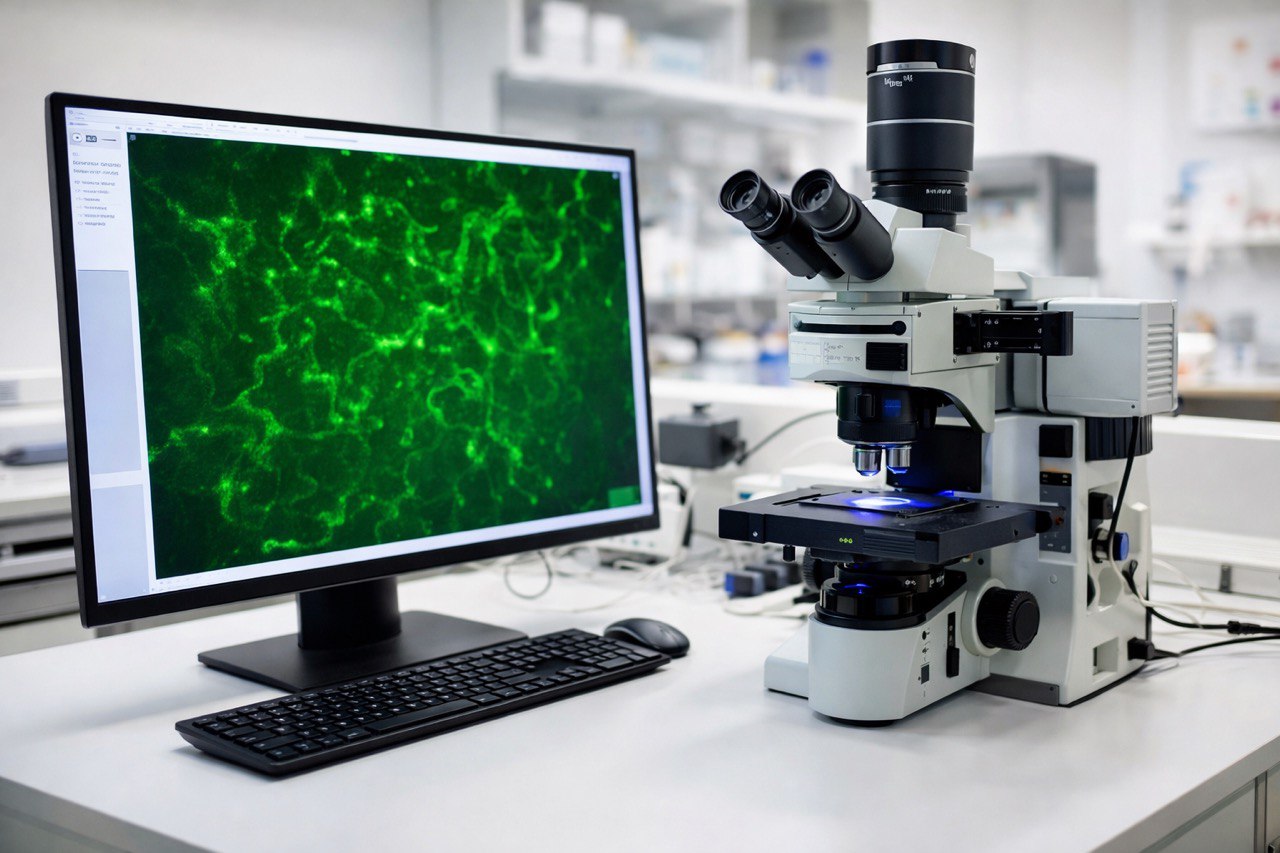
    Our histopathology platform delivers end-to-end tissue processing, staining, imaging, and analysis entirely within the UAE, covering over 100 specialized staining protocols. From routine histology to advanced IHC, IF, TUNEL, fluorescent and functional tissue assays, we support clinics, academic projects, student theses, and preclinical evaluation of pharmaceutical, nutraceutical, food, and cosmetic products. All services are executed with high technical precision, rapid turnaround times, and cost-efficient pricing, providing reliable, decision-ready tissue evidence without outsourcing or delays.

    01

    IHC, IF & TUNEL

    Selected Services Performed by the Animal Studies Unit at Vision of Research

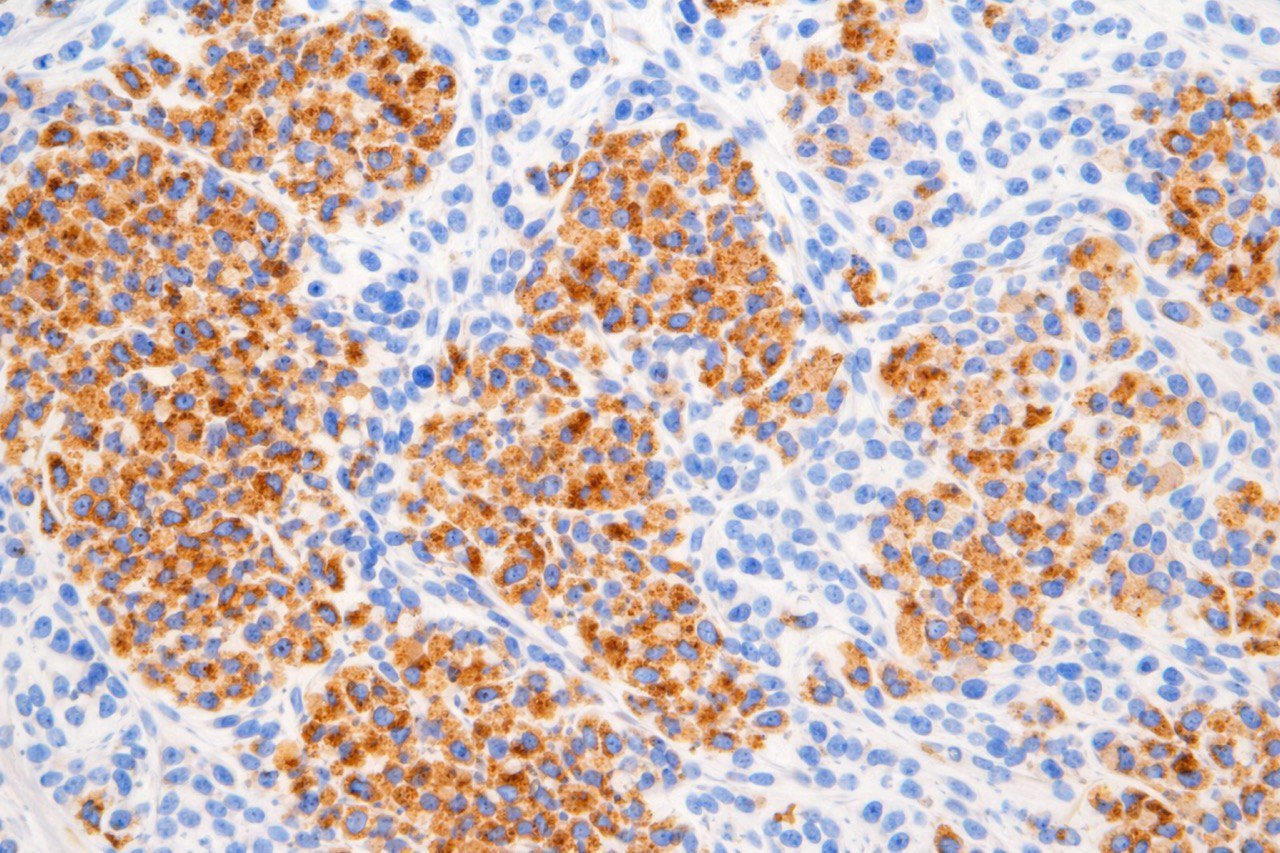
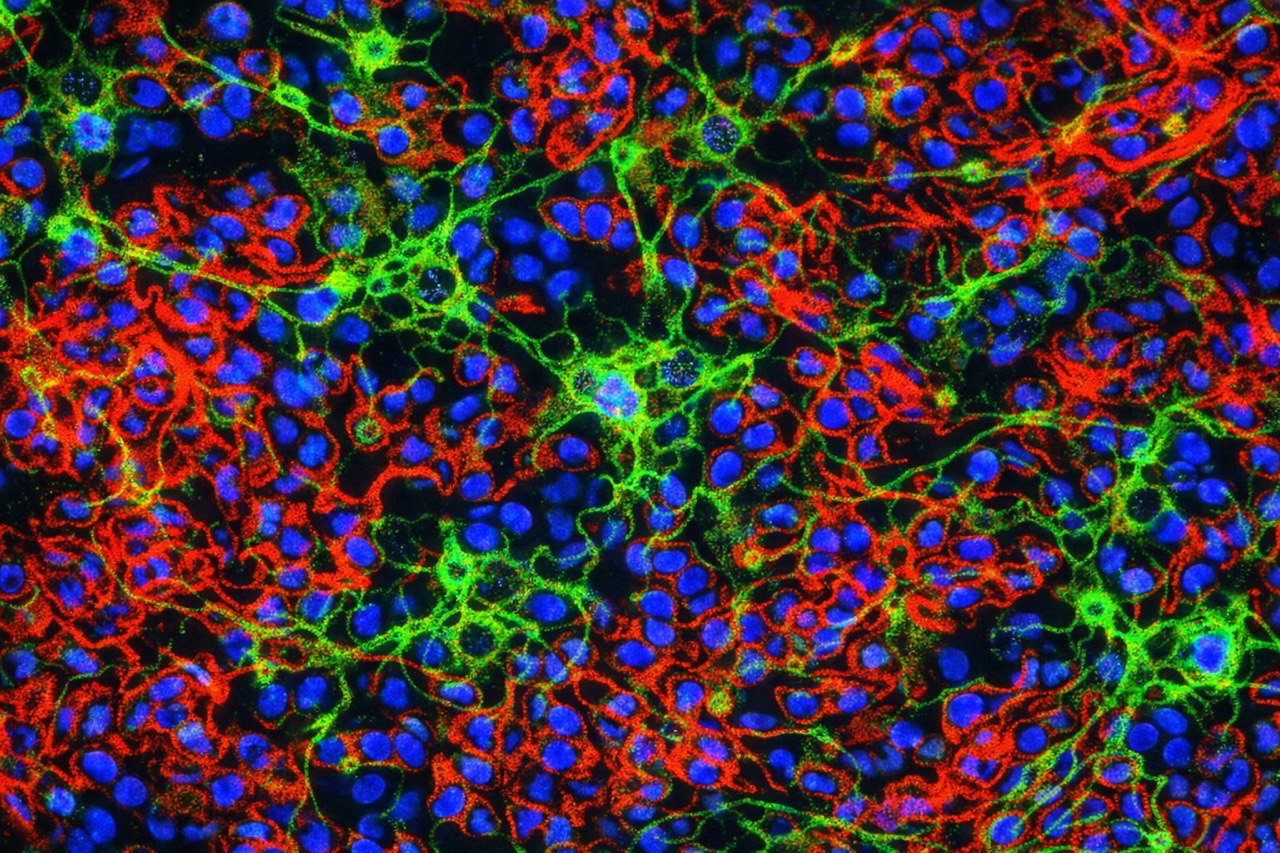
    We provide advanced IHC, IF, and ICC staining services for precise analysis of protein expression and localization in tissue sections and cultured cells. Single, double, and triple marker staining, together with TUNEL assays, enables high-resolution multiplex biomarker assessment and quantitative evaluation of apoptosis. These data are applied during safety, efficacy, and mechanism-of-action evaluations, particularly when results must support preclinical decision-making, formal reporting, or documentation required along regulatory development pathways.

    1. Immunohistochemistry (IHC): Protein expression analysis in tissue sections
    2. Immunofluorescence (IF): Multiplex protein visualization and co-localization
    3. Double Immunofluorescence Staining: Simultaneous detection of two protein targets
    4. Triple Immunofluorescence Staining: Concurrent analysis of three biomarkers
    5. Immunocytochemistry (ICC): Protein expression profiling in cultured cells
    6. TUNEL Assay: Quantitative detection and measurement of apoptotic cells

    02

    Fluorescent Profiling

    Advanced Fluorescent Staining for Cellular & Matrix Analysis

    Advanced fluorescent staining assays enable high-resolution visualization of intracellular structures and extracellular matrix components, allowing assessment of cytoskeletal organization, nuclear integrity, organelle function, glycoconjugate distribution, and cell viability. These data support mechanistic studies and functional cell analysis in research and preclinical evaluation workflows where spatial resolution and reproducibility are critical.

    1. Phalloidin Staining: Actin cytoskeleton visualization (FITC/TRITC/Alexa Fluor conjugates)
    2. DAPI Staining: Nuclear and chromosomal staining
    3. Hoechst Staining: Live-cell DNA staining
    4. Propidium Iodide (PI) Staining: Dead cell detection and viability assays
    5. Acridine Orange Staining: Differential nucleic acid staining (DNA vs. RNA)
    6. Fluorescent Lectin Staining: Glycoconjugate and carbohydrate mapping
    7. MitoTracker Staining: Mitochondrial dynamics and membrane potential
    8. LysoTracker Staining: Lysosomal activity and acidic compartment imaging
    9. ER-Tracker Staining: Endoplasmic reticulum structure and function

    03

    Tissue Morphology

    Core Structural & Morphological Tissue Staining

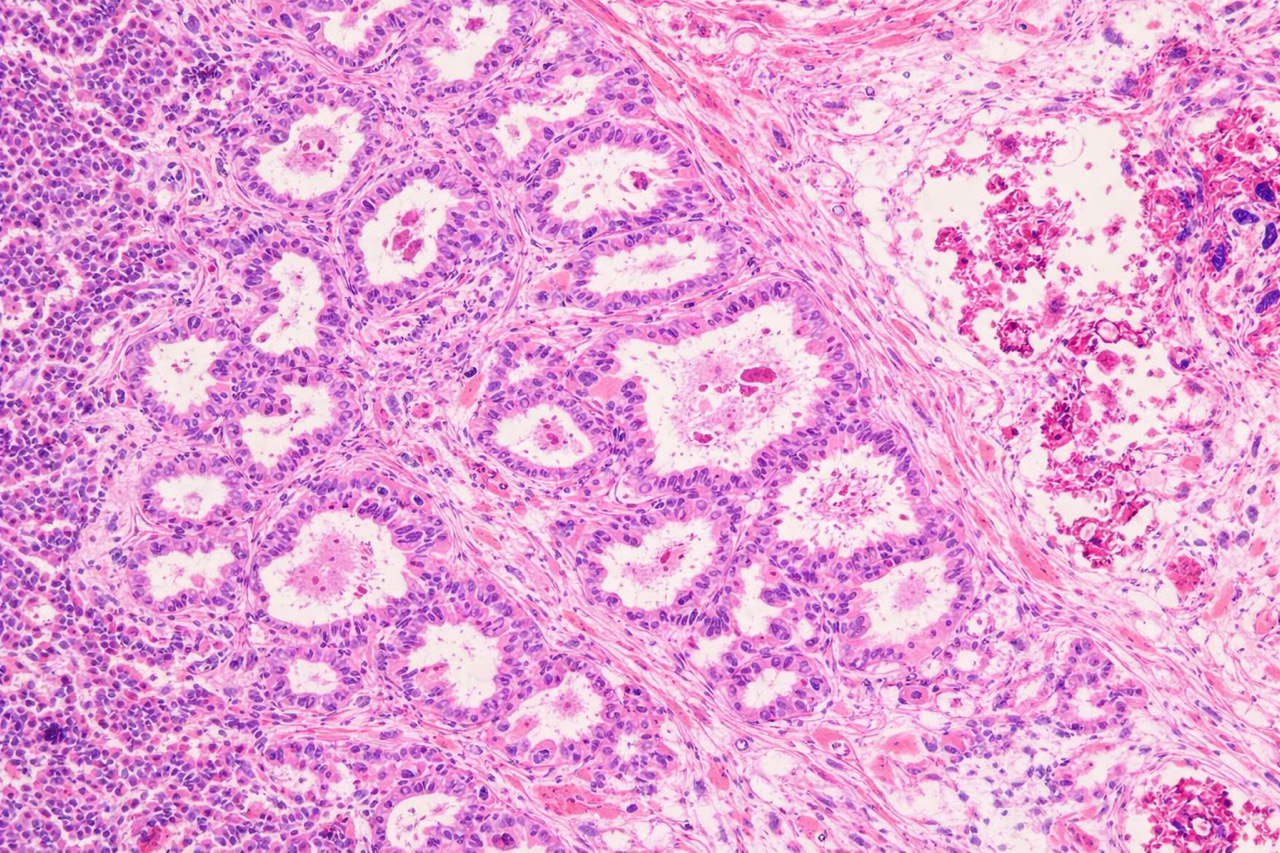
    Structural and morphological tissue staining represents the first line of evidence and primary defense for all tissue-based studies, particularly within regulatory documentation and formal evaluations. Routine and specialized stains establish the baseline assessment of tissue architecture, cellular morphology, and structural abnormalities, serving as the mandatory reference for downstream analysis, regulatory reporting, academic investigations, and preclinical decision-making.

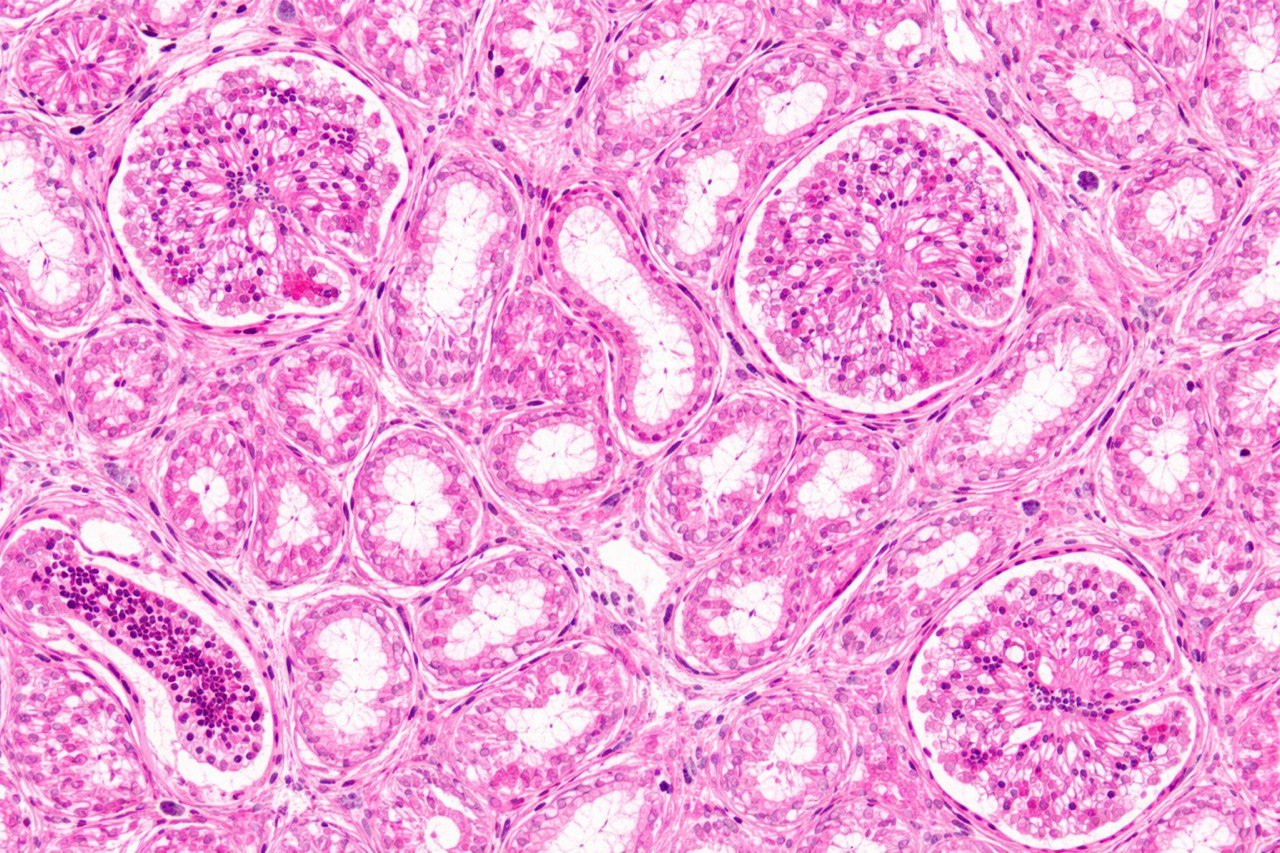
    1. Hematoxylin & Eosin (H&E): Baseline assessment of tissue architecture and cellular morphology.
    2. Giemsa Staining: Nuclear and cytoplasmic detail for cellular pattern evaluation.
    3. Romanowsky Staining: Differential cytomorphological assessment of cell populations.
    4. Leishman Staining: Rapid cytological profiling of hematologic and tissue cells.
    5. Papanicolaou (Pap) Staining: High-resolution epithelial and nuclear morphology assessment.
    6. Toluidine Blue Staining: Structural matrix and mast cell visualization

    04

    Fibrosis & ECM

    Specialized Fibrosis, Collagen & ECM Solutions

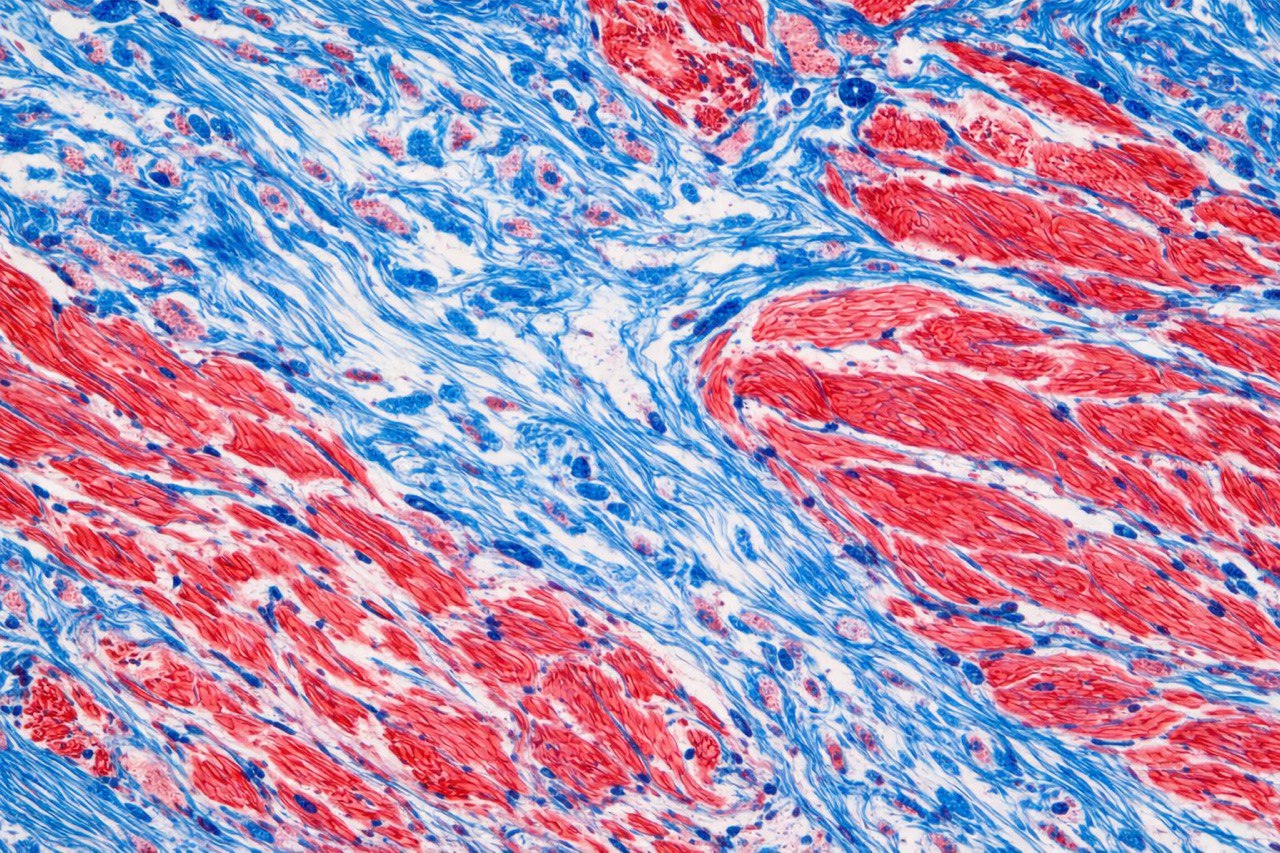
    Fibrosis and extracellular matrix assessment constitutes a critical layer of structural evidence in tissue-based evaluation, particularly where disease progression, tissue remodeling, or treatment response must be objectively documented. This staining of collagen and ECM components enables authoritative characterization of fibrotic burden, scar formation, and connective tissue integrity, forming an essential reference for preclinical decision-making, pathological interpretation, and regulatory documentation.

    1. Masson’s Trichrome Staining: Definitive differentiation of collagen deposition.
    2. Sirius Red Staining: High-sensitivity visualization of collagen accumulation.
    3. Picrosirius Red Staining: Structural assessment of collagen fiber organization and density.
    4. Van Gieson Staining: Distribution analysis of collagen and connective tissue elements.
    5. Acid Fuchsin Staining: Identification of fibrotic and protein-rich tissue regions.
    6. Movat’s Pentachrome Staining: visualization of multiple ECM components in complex tissues.

    05

    Neural & Myelin

    Specialized Neural & Myelin Histological Staining

    Neural and myelin histological staining provides foundational structural evidence for the evaluation of nervous system integrity, degeneration, and treatment response. Targeted visualization of neurons, axons, and myelin sheaths enables authoritative assessment of neuronal health, demyelination, and neurodegenerative pathology, serving as a critical reference for preclinical neuroscience studies, neuropathological interpretation, and regulatory-grade tissue documentation.

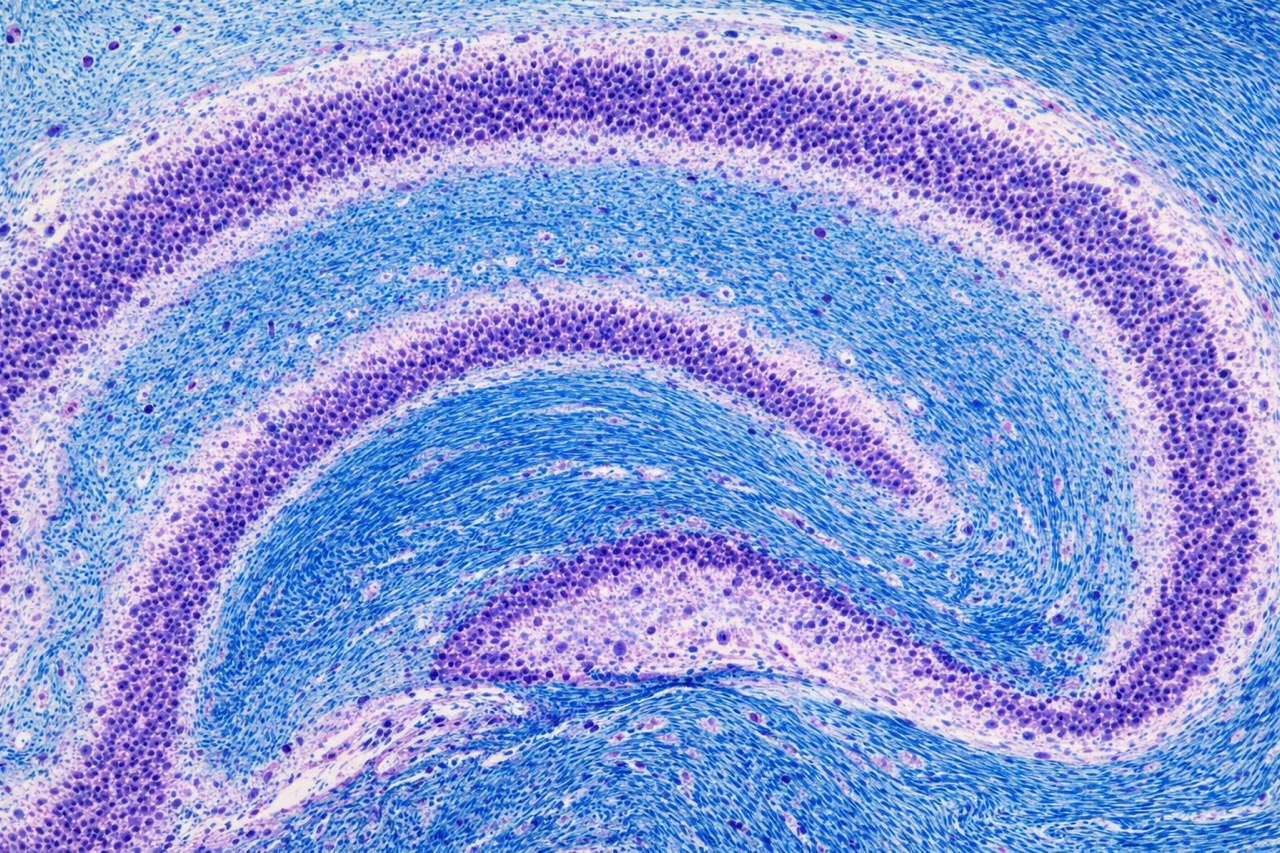
    1. Luxol Fast Blue Staining: Assessment of myelin integrity and demyelination patterns.
    2. Cresyl Violet (Nissl) Staining: Evaluation of neuronal cell bodies & organization.
    3. Bielschowsky Silver Staining: Visualization of axons and neurofibrillary structures.
    4. Bodian Silver Staining: Detailed staining of nerve fibers and neuronal processes.
    5. Silver / Argyrophilic Fiber Staining: Detection of fine neural and reticular fiber networks.
    6. Marchi Staining: Identification of degenerating myelin and axonal breakdown.

    06

    Metabolic & Lipid

    Specialized Metabolic & Lipid Histological Staining

    Metabolic and lipid histological staining provides critical biochemical evidence at the tissue level, enabling direct assessment of metabolic status, lipid accumulation, and enzymatic activity. These stains are essential for documenting metabolic dysfunction, lipid storage, and energy pathway alterations, forming a decisive reference for preclinical metabolic studies, disease characterization, and regulatory-grade tissue evaluation.

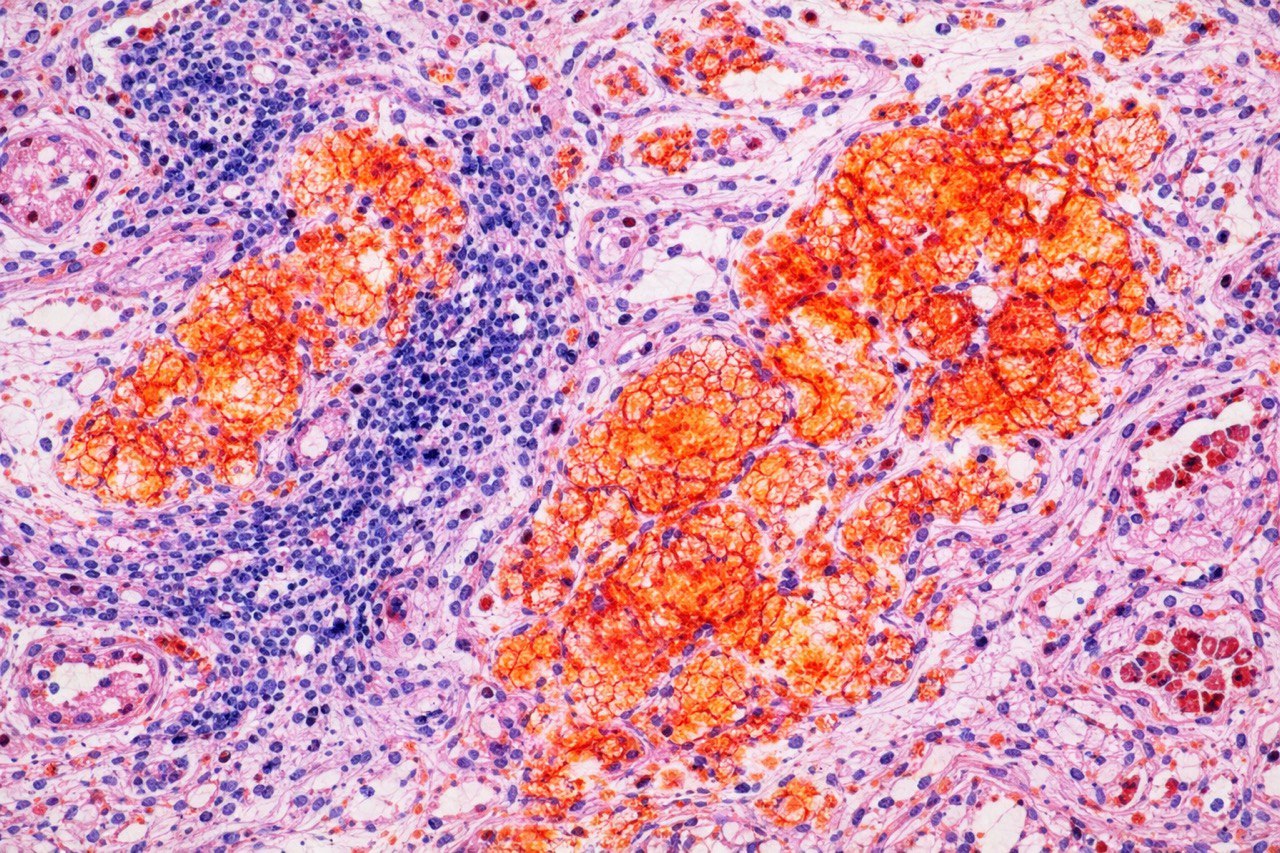
    1. Periodic Acid–Schiff (PAS): Detection of glycogen, carbohydrates, and glycoprotein accumulation.
    2. Oil Red O Staining: Visualization of neutral lipid storage within tissues.
    3. Sudan Black B Staining: Identification of lipid-rich cellular and tissue components.
    4. Nile Red Staining: Fluorescent detection of intracellular lipid droplets.
    5. Succinate Dehydrogenase (SDH) Staining: Assessment of mitochondrial metabolic enzyme activity.
    6. Phosphotungstic Acid Hematoxylin (PTAH) Staining:  Muscle fiber and metabolic structure visualization
    7. Cytochrome Oxidase Staining: Evaluation of oxidative metabolism and mitochondrial function.
    8. Best’s Carmine Staining: Specific demonstration of glycogen distribution in tissues.

    07

    Mineralization & Calcification

    Specialized Mineralization & Calcification Histological Staining

    Mineralization and calcification staining provides definitive structural evidence for calcium deposition, bone matrix integrity, and pathological mineral accumulation within tissues. These stains are essential for documenting normal and abnormal mineralization processes, serving as a critical reference in bone pathology, ectopic calcification assessment, preclinical safety evaluation, and regulatory-grade tissue documentation.

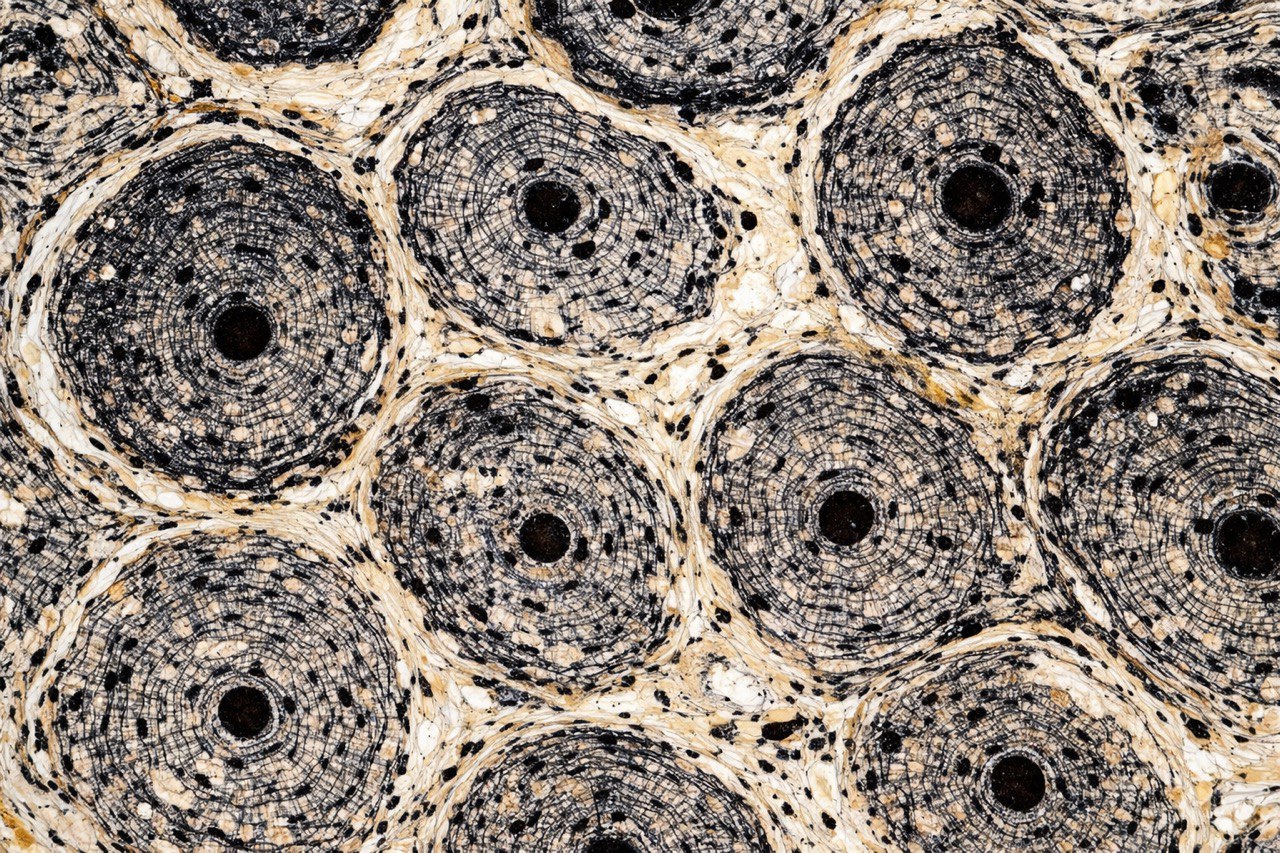
    1. Von Kossa Staining: Detection of phosphate-based mineral and calcified tissue deposits.
    2. Alizarin Red Staining: Visualization of calcium accumulation and mineralized matrix.
    3. Safranin O Staining: Assessment of cartilage matrix and proteoglycan content.
    4. Holmes Silver Staining: Demonstration of fine fibrous and mineral-associated structures.
    5. Timm’s Staining: Localization of metal ions associated with mineralized tissue.
    6. Rhodanine Staining: Detection of copper-related mineral deposits in tissue.
    7. Prussian Blue Staining: Identification of iron accumulation and hemosiderin deposits.

    08

    Elastic & Vascular

    Specialized Elastic Fiber & Connective Tissue Histological Staining

    Elastic fiber and connective tissue staining provides critical structural evidence of vascular & wall composition, enabling precise evaluation of elastic fibers, vessel architecture, and connective tissue alterations. These stains are essential for assessing vascular pathology, atherosclerotic changes, and connective tissue disorders affecting blood vessels, serving as a foundational reference for preclinical cardiovascular studies, pathological and regulatory-grade tissue documentation.

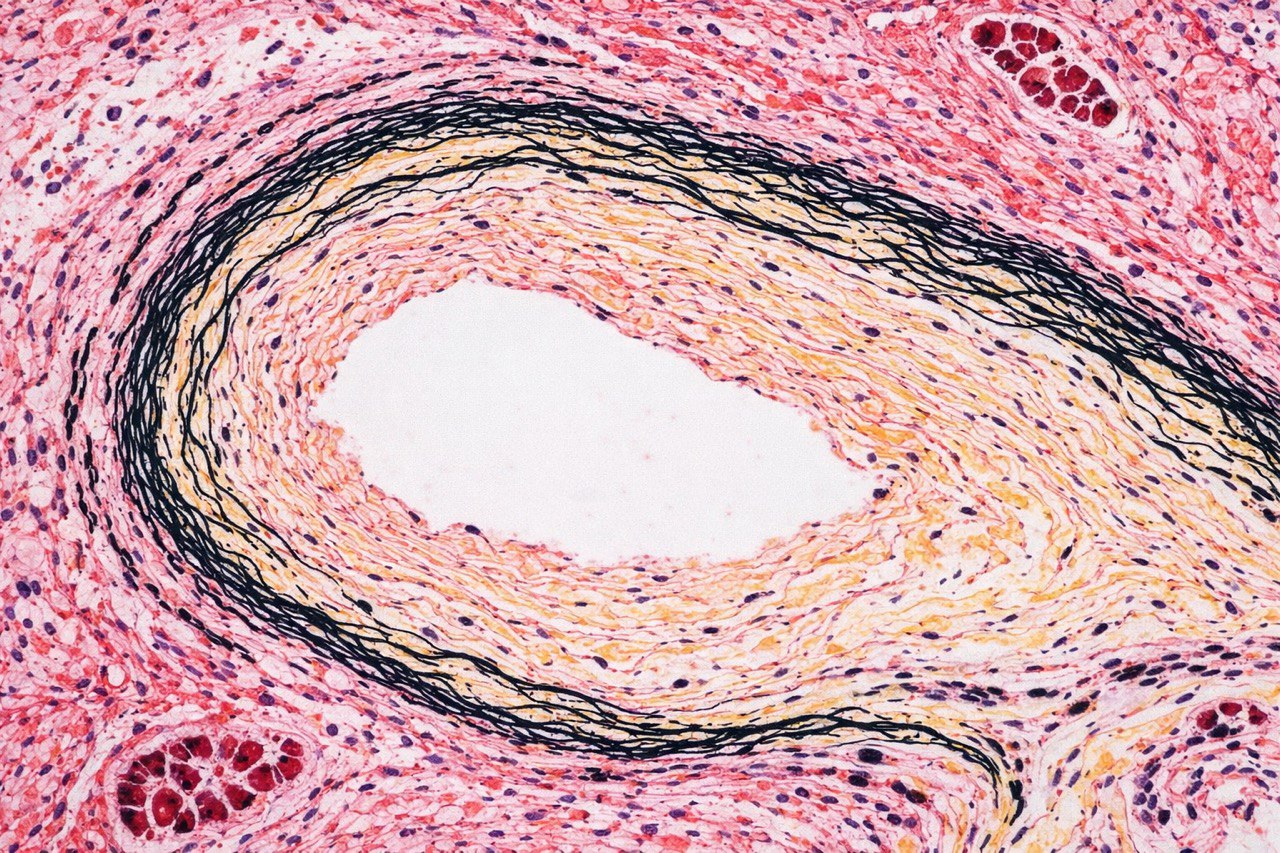
    1. Elastic Van Gieson (EVG) Staining: Visualization of elastic fibers in vessel walls.
    2. Verhoeff–Van Gieson (VVG) Staining: High-contrast detection of elastic fibers.
    3. Orcein Staining: Selective staining of elastic fibers and vessel wall components.
    4. Weigert’s Elastic Stain (Resorcin–Fuchsin): Detailed visualization of elastic tissue architecture.
    5. Aldehyde Fuchsin Staining: Identification of elastic fibers and related connective tissue.
    6. Miller’s Elastic Stain: Differentiation of elastic fibers within complex tissue structures.
    7. Hart’s Elastic Stain: Assessment of elastic fiber distribution and vascular integrity.

    09

    Inflammation & Immune

    Inflammation & Immune Response Histological Staining

    Inflammation and immune response staining provides critical tissue-level evidence for identifying inflammatory activity, immune cell infiltration, and pathological deposits. These stains are essential for documenting inflammatory conditions, immune-mediated tissue changes, and amyloid deposition, serving as a foundational reference for preclinical evaluation, pathological interpretation, and regulatory-grade tissue assessment.

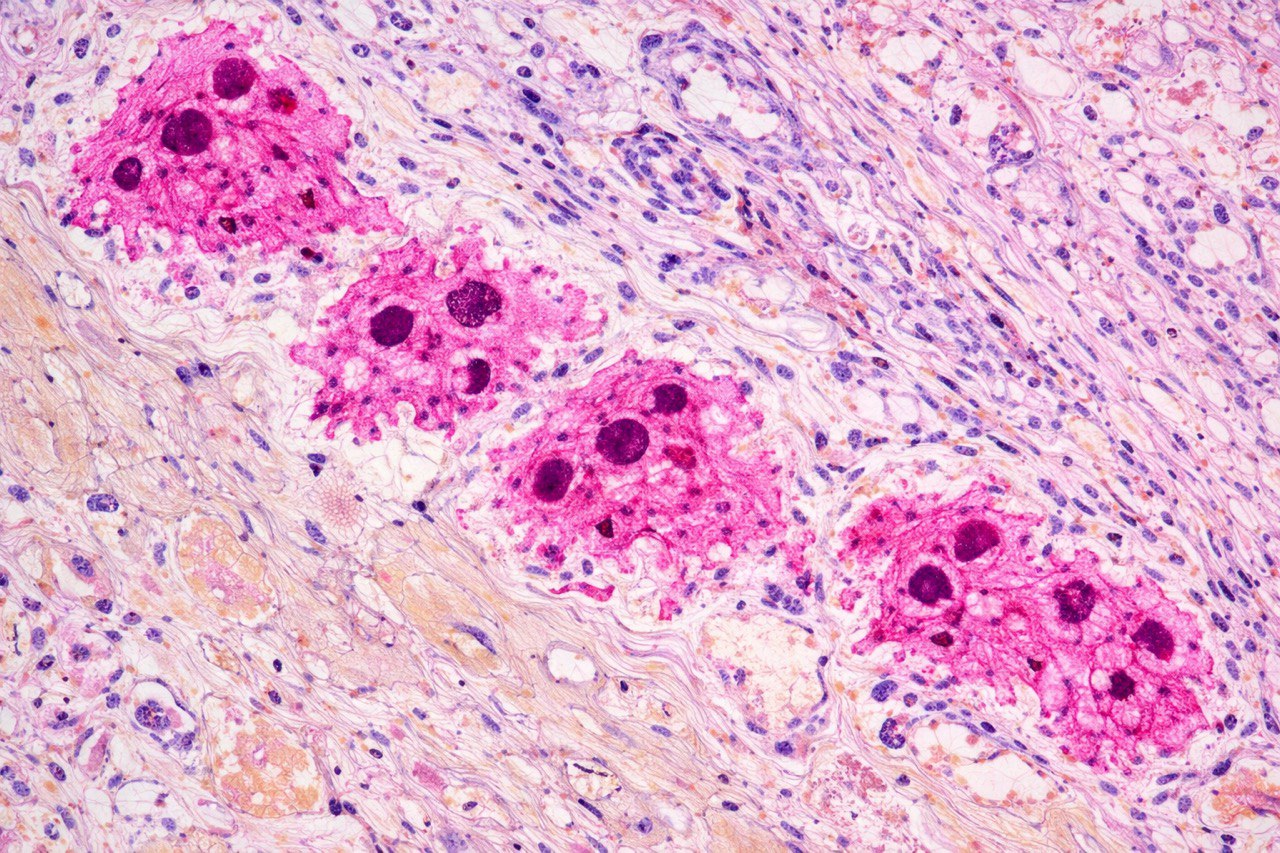
    1. Congo Red Staining: Detection of amyloid deposits within tissues.
    2. Thioflavin S Staining: Fluorescent identification of amyloid aggregates.
    3. Prussian Blue (Iron) Staining: Visualization of iron accumulation and hemosiderin deposits.
    4. Rhodamine (Copper) Staining: Detection of copper-associated tissue deposits.
    5. Fontana–Masson Staining: Identification of melanin and argentaffin granules.
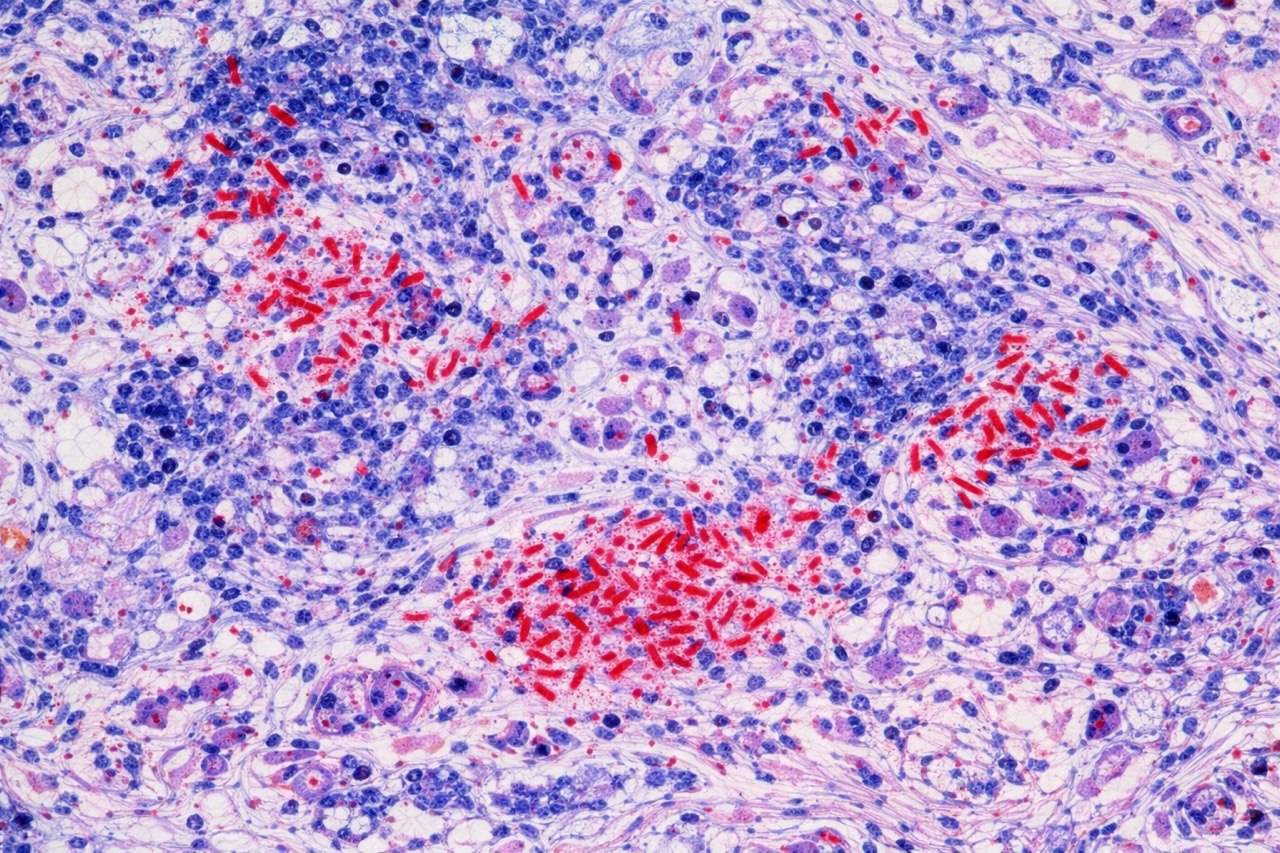
    6. ZiehlNeelsen Staining: Detection of acid-fast organisms in tissue sections.
    7. Giemsa Staining: Characterization of immune cell populations and inflammatory infiltrates.

    10

    Cellular Function

    Vital Function & Cellular Differentiation Histological Staining

    Vital function and cellular differentiation staining provides decisive functional evidence at the tissue and cellular level, enabling assessment of cell viability, enzymatic activity, metabolic state, and differentiation status. These stains are essential for documenting functional integrity, lineage-specific differentiation, and metabolic competence, forming a critical reference for preclinical evaluation, mechanistic studies, and regulatory-grade tissue assessment.

    1. Trypan Blue Staining: Assessment of cell viability and membrane integrity.
    2. TRAP Staining: Identification of osteoclast activity and differentiation.
    3. Myofibrillar ATPase Staining: Differentiation of muscle fiber types and contractile function.
    4. Gomori Aldehyde Fuchsin : Visualization of cellular granules and function..
    5. Periodic Acid–Schiff (PAS): Detection of differentiation-related carbohydrate components.
    6. Succinate Dehydrogenase (SDH): Evaluation of mitochondrial enzymatic activity.
    7. Oil Red O Staining: Assessment of intracellular lipid metabolism.

    11

    Microbial Detection

    Specialized Microbiological Histological Staining

    Microbiological histological staining provides definitive tissue-level evidence for pathogen detection and localization, enabling reliable identification of bacterial, fungal, and mycobacterial organisms within tissue sections. These stains are essential for confirming infectious involvement, assessing microbial burden, and supporting pathological interpretation in preclinical studies, clinical investigations, and regulatory-grade tissue documentation.

    1. Gram Staining: Differentiation of Gram-positive and Gram-negative bacteria in tissues.
    2. ZiehlNeelsen Staining: Detection of acid-fast mycobacteria in histological sections.
    3. Grocott’s Methenamine Silver (GMS): High-sensitivity visualization of fungal organisms.
    4. Giemsa Staining: Identification of microbial elements and host–pathogen interactions.
    5. Periodic Acid–Schiff (PAS) Staining: Detection of fungal cell wall components.
    6. Calcofluor White Staining: Fluorescent visualization of fungal structures.
    7. Auramine–Rhodamine Staining: Sensitive detection of mycobacteria by fluorescence.

    12

    Sample Processing

    Tissue Sample Preparation & Processing

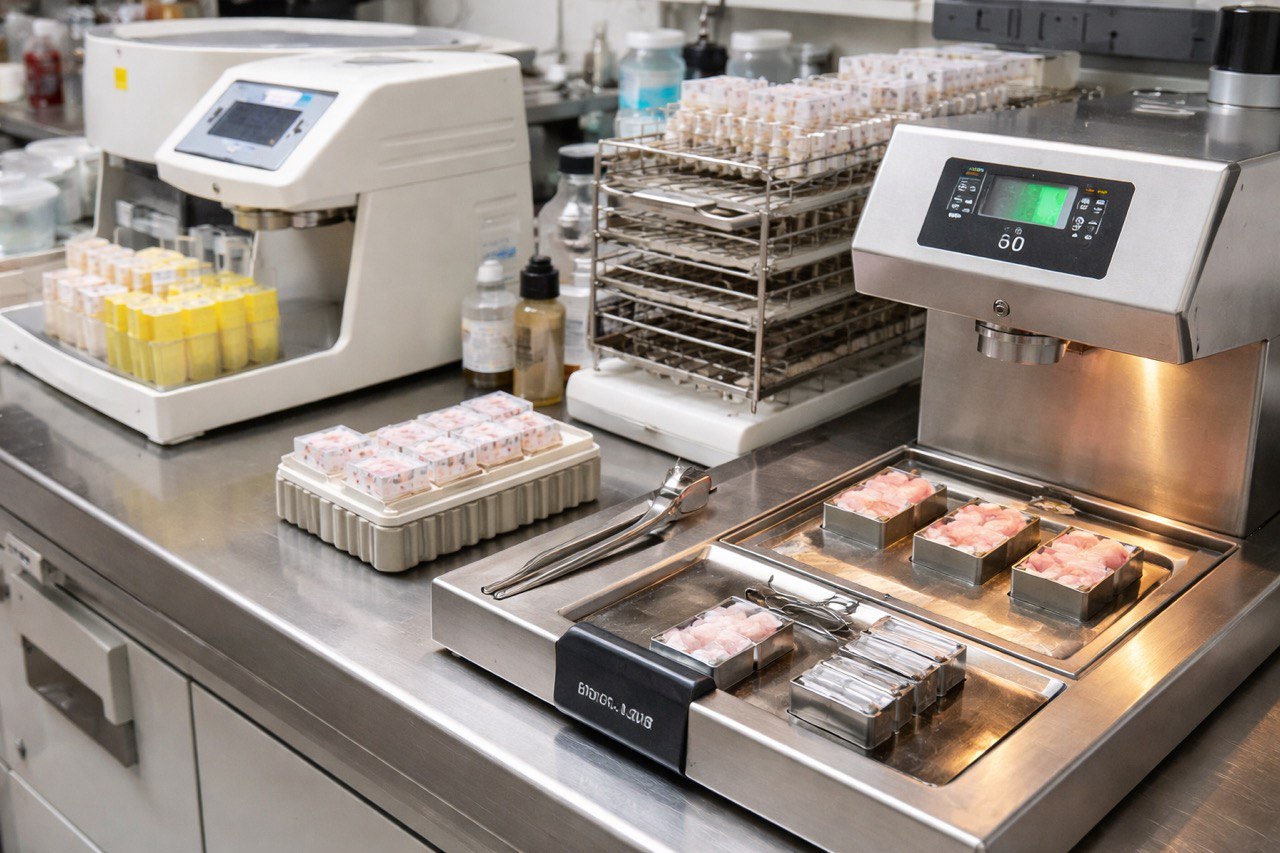
    Tissue preparation and processing establishes the structural and technical foundation for all histopathological evaluations. Standardized fixation, processing, embedding, and sectioning are essential to preserve tissue architecture, maintain cellular integrity, and ensure consistency across all downstream staining and analytical procedures. This step represents a non-negotiable prerequisite for reliable microscopic interpretation, quantitative analysis, and regulatory-grade tissue documentation.

    1. Tissue Processing & Paraffin Embedding: Standardized preservation of tissue architecture.
    2. Decalcification of Hard Tissues: Controlled mineral removal for section integrity.
    3. Microtomy & Section Mounting: Precision sectioning for reproducible analysis.
    4. Charged Slide Mounting: Enhanced tissue adhesion for advanced staining workflows.

    13

    Imaging & Analysis

    Imaging Systems & Quantitative Analysis Platforms

    Imaging and analysis platforms convert histological sections into objective, interpretable, and quantifiable data. Advanced microscopy systems combined with analytical software enable high-quality image acquisition, accurate feature extraction, and generation of numerical outputs required for interpretation, comparison, and formal reporting in research and preclinical studies.

    1. Diagnostic Light Microscopy: High-resolution brightfield tissue imaging.
    2. Fluorescence Microscopy: Multichannel visualization of labeled tissue components.
    3. Image Preparation & Merging: Standardized image processing and presentation.
    4. Quantitative Analysis (ImageJ): Semi-automated measurement of histological features.
    5. Statistical Analysis & Graphing (Prism): Data visualization and numerical reporting.

    Preclinical Drug Evaluation Platforms

    Regulatory & Decision-Ready Services

    In product development, the greatest risk does not lie in formulation or manufacturing, it lies in making the wrong decisions before market entry. Our preclinical evaluation platforms are built precisely for this critical phase: where companies must decide, based on reliable data, whether to proceed, optimize, or stop before committing major time and capital.

    These platforms go far beyond isolated testing. They provide an integrated framework for efficacy, safety, mechanism of action, and regulatory readiness. From targeted animal disease models and behavioral and functional outcome assessments, to translational biomarkers, PK/PD analysis, tissue pathology, and regulatory documentation, every component is designed to deliver outputs that directly support high-stakes development decisions.

    Whether you are developing an innovative pharmaceutical product, a biologically active cosmetic, or a functional food ingredient, this infrastructure helps you eliminate downstream failure risks early, shorten development timelines, and advance to the next stage with data that is defensible to regulators, investors, and strategic partners.

    DECISION FOUNDATION
    Animal Models for Preclinical Decision

    Validate therapeutic efficacy and safety using relevant, reproducible in-vivo disease models for confident Go/No-Go decisions.

    Behavioral & Functional Outcome Package

    Quantify cognitive, motor, and neurological function with standardized, translatable behavioral paradigms.

    Daily Clinical & Behavioral Observations

    Ensure animal welfare and data integrity through structured, protocol-driven health and behavior monitoring.

    Histopathology & Toxicity Assessment

    Deliver definitive tissue-level safety data with expert pathology evaluation and digital analysis.

    MECHANISM & TRANSLATION
    Biomarker Enablement & Validation

    Discover and qualify mechanistic biomarkers to bridge drug effect to clinical outcome.

    In-Vitro Potency & Mechanistic Screening

    Prioritize lead candidates with high-throughput assays for target engagement and mechanism of action.

    Preclinical-to-Clinical Biomarker Translation

    Develop biomarker strategies that seamlessly transition from animal models to human trials.

    PK/PD & Clinical Pharmacology

    Integrate pharmacokinetics and pharmacodynamics to model exposure-response and predict human dosing.

    REGULATORY READINESS
    Pharmacokinetic Testing (DMPK)

    Characterize ADME properties to optimize drug candidates and de-risk development.

    Product-Specific Assay Modules

    Design and validate custom bioanalytical assays tailored to your novel therapeutic modality.

    Efficacy & Specialty Assay Modules

    Execute targeted in-vivo and ex-vivo studies to demonstrate proof-of-concept and therapeutic benefit.

    Regulatory Readiness & CTD Preparation

    Transform robust preclinical data into submission-ready modules for global regulatory approval.

    Two complementary paths. One development decision.

    In vivo and in vitro platforms designed to reduce uncertainty before you scale

    in Vivo

    ✦ Trusted Experience

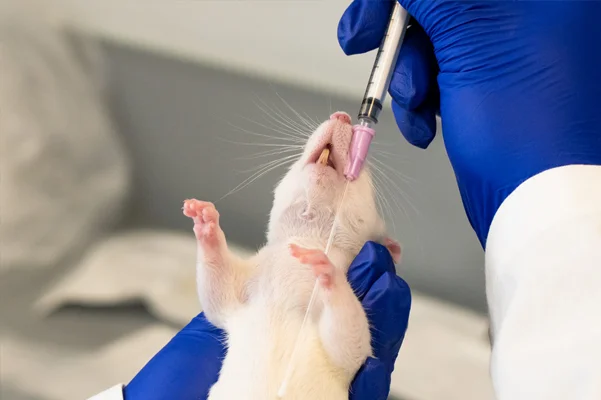
    Create many types of disease models in laboratory animals to initiate preclinical research

    In vivo refers to studies or experiments conducted within a living organism—typically animal models in preclinical research. These tests are essential for evaluating how a drug behaves in a complex biological system, including absorption, metabolism, distribution, toxicity, and overall effectiveness

    648

    Successful Projects

    518

    Satisfied Customers

    14+

    Different Industries

    Tumor Disease Model

    Reproductive Disease Model

    Dermatology Disease Model

    Metabolic Disease Model

    Respiratory Disease Model

    Neuroscience Disease Model

    Cardiovascular Disease Model

    In-Vitro

    ✦ Trusted Experience

    In Vitro Preclinical Research

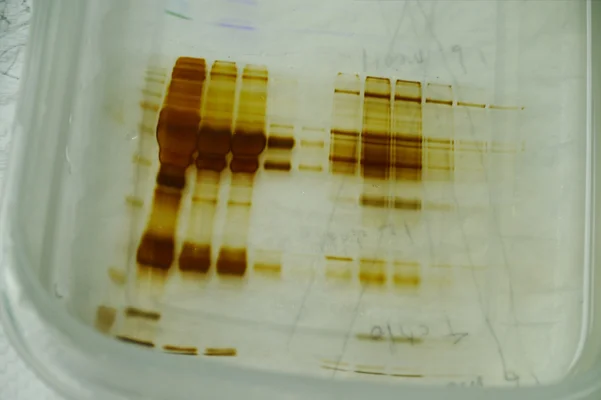
    In vitro studies are performed outside living organisms in controlled lab settings to examine drug behavior at the cellular or molecular level. They help evaluate safety, metabolism, and toxicity before moving to animal or human testing. These methods are essential for early screening and precise pharmacological analysis.

    534

    Successful Projects

    486

    Satisfied Customers

    11+

    Different Industries

    Dreams, Achievements, Nothing Limits Us, Only Takeoff Points.
    We don’t consume science, we become them.

    Practical & Professional Courses

    Master Advanced Lab Techniques & Build In-Demand Career Skills in Medical Sciences

    or over two decades, Vision of Research has served as a vital bridge between academic education and the practical demands of the job market. We not only support students and researchers by providing advanced, internationally-aligned research technical services, from medical and neurosciences to genetics and histology, helping them successfully realize their ideas and excel in their graduation, but also focus on specialized courses and hands-on laboratory skills to prepare them for leadership and impact in the professional world. Universities produce academic minds. We believe that in today's world, a degree alone does not guarantee employment; skills get you hired. We will show you how.

    Medical Clinic Research Services

    At Vision of Research, we help clinics unlock their true potential through tailored, research-based solutions. By identifying hidden gaps in existing treatment protocols and conducting targeted scientific studies, we enhance the effectiveness and innovation of clinical services across a wide range of specialties—including infertility and IVF, dermatology and aesthetics, oncology, chronic disease care, mental health, and rehabilitation. Our goal is to improve patient outcomes, boost satisfaction, and support sustainable revenue growth for clinics. We work closely with your medical and executive teams to transform everyday clinical challenges into evidence-based solutions—solutions that not only elevate the quality of your services but also position your clinic at the forefront of modern healthcare.

    My genetic mapUnlock the Secrets of Your DNA – A Personalized Journey to Unparalleled Health & Success

    Personalized Medicine

    At Vision of Research, we bring cutting-edge science from the lab to your life. By combining the most advanced genetic technologies, artificial intelligence, and personalized medicine, we’re revolutionizing how you understand and optimize your health, talents, and lifestyle. Here, treatments are no longer based on guesswork, diagnoses are never left uncertain, and your hidden potential is fully revealed. Every decision, every solution, and every recommendation is precisely tailored to your unique genetic code. Vision of Research opens a window into the future of healthcare and self-discovery through three groundbreaking services each designed to unlock a new dimension of your well-being and human potential.

    Vision of Research opens a window into the future of healthcare and self-discovery with three groundbreaking services, each designed to unlock a new dimension of your well-being and potential:

    Personalized Therapies Based on Genetic Content

    Talent & Risk Prediction of Chronic Disease Along with Enhanced Diagnostics

    Unique Talent Discovery & Lifestyle Optimization

    Personalized-Medicine

    Innovation Startup Accelerator
    The Vision of Research Incubator

    The purpose of setting up the vision of research incubator is to support the country’s talents and help advance ideas that can bring about the production of domestic products, so that the country can boost production and self-sufficiency. At Vision of Research, we empower the transformation of research into impact by establishing a reliable and innovation-driven pathway for the commercialization of scientific outcomes. Through the cultivation of creative technology cores, comprehensive training programs, and solid legal frameworks, we help researchers and graduates turn ideas into real ventures. Our mission is to stimulate ambition among young scientists and technologists, nurture entrepreneurial thinking, and provide the tools needed to develop, market, and scale high-potential innovations. We provide the environment where teams grow, ideas mature, and knowledge becomes value.

    INCUBATOR

    Executive Research Board

    Scientific Leadership

    We are a team of biotechnology experts who turn science into wealth! Our leaders with outstanding track records in industry-leading companies guarantee that every project shines not just on paper, but in the market. Our team members have already proven they know how to transform revolutionary ideas into best-selling products – now it's your turn to benefit from this winning team!

    Michael N. Hall

    Professor at the Biozentrum, University of Basel, and renowned for discovering the TOR protein, a key regulator of cell growth and metabolism. His research has transformed the fields of aging, cancer, and metabolic disease

    Aldo Faisal

    Professor of AI & Neuroscience at Imperial College London, jointly appointed in the Departments of Computing and Bioengineering. He pioneers work integrating machine learning with human behavior and neurotechnology.

    Magnus von Knebel Doeberitz

    Professor of Molecular Oncology at the University Hospital Heidelberg and Director of the Applied Tumor Biology Department. He also leads a DKFZ unit focused on virus-associated cancers and molecular diagnostics.

    Partnerships

    At Vision of Research, collaborations form a core part of our strategy, enabling us to access capabilities and resources to support our therapeutic programs. Numerous institutions – as leaders in biotechnology and life sciences sectors across all GCC countries (Gulf Cooperation Council), particularly throughout the United Arab Emirates, Oman, Bahrain, and Qatar – align with our mission to advance applied research, innovation, and sustainable biotechnology development. We are eager to collaborate with biopharma companies, academic centers, universities, and other relevant organizations. For inquiries, please contact us at info@visionofresearch.com.

    Major Strategic Partnerships